Real cost of house clearance in Hounslow what to expect
Posted on 31/07/2026
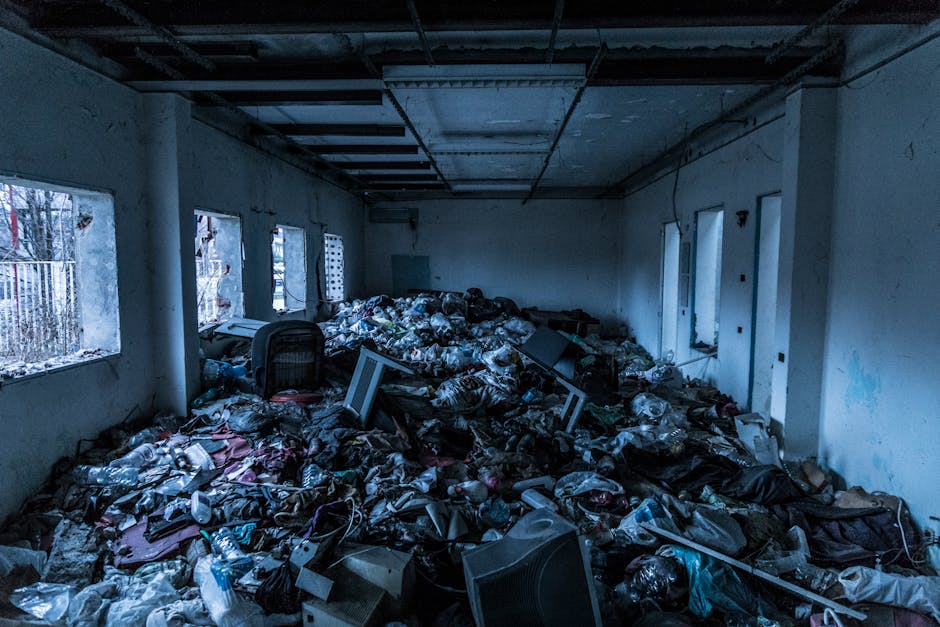
Real cost of house clearance in Hounslow: what to expect
If you are trying to work out the real cost of house clearance in Hounslow, what to expect is usually less about a single fixed price and more about a handful of moving parts. How much there is to remove, how easy it is to access, what needs sorting, and whether anything is awkward, heavy, fragile, or potentially hazardous all change the final bill. That can be frustrating when you just want a straight answer. Fair enough.
The good news is that house clearance is one of those jobs where a sensible quote can tell you a lot if you know what to look for. In this guide, you will get a practical breakdown of the price drivers, the usual process, the hidden extras to watch for, and the best way to compare options in Hounslow without getting caught out. If you are moving, handling a probate property, clearing a rental, or just reclaiming space, this should give you a much clearer picture.
Why real cost matters
House clearance can look simple from the outside. A few rooms, a van, some labour, job done. But in practice, the final cost reflects a lot more than just lifting furniture. The real price often includes sorting, loading time, transport, disposal fees, recycling effort, and sometimes extra handling for awkward items. If you only compare headline prices, you can miss the bits that make a quote realistic.
That matters especially in Hounslow, where properties vary a lot. A flat off a busy high street, a terraced house with tight parking, a maisonette with stairs, or a larger family home full of mixed contents can all create very different workload levels. You may even notice the quote changing once a provider sees the loft, shed, or packed garage. Not because anyone is being difficult, but because space is rarely as straightforward as people remember it being.
Understanding the real cost also helps you budget properly if the clearance is linked to a sale, a tenancy change, or a bereavement. That is one of the main reasons people look for a clear explanation before they commit. And if your clearance is tied to selling, it can be useful to read about selling your property in Hounslow and how presentation affects the wider move process.
Expert summary: the cheapest quote is not always the best value. A proper house clearance price should be transparent, practical, and matched to the actual volume, access, and disposal requirements of your property.
How house clearance pricing works
Most house clearance services price work using a combination of volume, labour, access, and disposal type. The common model is a load-based quote, where the company estimates how much of a vehicle your items will take up. That is why two homes with the same number of rooms can receive very different quotes. One may contain mostly light, stackable items; the other may include bulky wardrobes, damp mattresses, broken appliances, or bags of mixed junk that take longer to sort.
In many real cases, a quote starts with a visual estimate from photos or a site visit. Photos are useful, but they can hide access issues. A narrow staircase, third-floor flat, no parking outside, or a long carry from the property to the vehicle can all add time and effort. These things are not small details. They are often the difference between a straightforward job and a more labour-intensive one.
There is also the disposal side. Reusable items, recyclable materials, general household waste, and special items may be handled differently. That is why a proper quote should not feel like a random number pulled from thin air. It should reflect the actual work. If you want to see how broader rubbish removal pricing is explained, the page on pricing and quotes is a useful place to compare how estimates are usually framed.
For many households, the process is roughly this:
- You describe the clearance and share photos if possible.
- The provider assesses volume, access, and item type.
- A quote is given with any likely extras made clear.
- The team arrives, confirms the scope, and gets to work.
- Items are removed, sorted, loaded, and taken away for appropriate disposal or recycling.
Simple on paper. Slightly messier in real life, as you know.
Key benefits and practical advantages
House clearance is not just about getting rid of stuff. Done well, it saves time, reduces stress, and helps you avoid repeated trips to the tip or the awkward business of hiring a skip when you do not really need one. For a lot of people, the biggest benefit is simply not having to manage the whole thing alone.
There is also a practical side. A cleared property can be easier to sell, easier to rent, safer to inspect, and far simpler to clean or decorate. That becomes especially useful if you are preparing a home for viewings, a tenancy handover, or renovation. A room full of mixed furniture and old boxes can make even a decent property feel smaller and more chaotic than it is.
Another benefit is handling unwanted items properly. Reputable teams usually separate what can be reused or recycled from what must be disposed of. If sustainability matters to you, it is worth asking how the provider approaches sorting and recycling. You can also read more about local approaches to responsible disposal on the site's recycling and sustainability page.
- Saves you time and physical effort
- Reduces the risk of lifting injuries or damage to walls and floors
- Helps keep sale or let-ready deadlines on track
- Makes it easier to identify valuables, documents, or items to keep
- Can be more convenient than repeated self-haul trips
Who this is for and when it makes sense
House clearance in Hounslow makes sense for quite a few different situations. It is not only for people dealing with a full family home. In fact, some of the most common jobs are much smaller than that. A one-bedroom flat after a move. A landlord clearing leftovers from a tenancy. A loft and garage full of old furniture and boxes. A property that has been sitting empty for a while. The pattern is often the same: too much to manage in one go, not enough time to do it properly yourself.
It is also common during life transitions. Bereavement clearances, downsizing, moving overseas, or helping elderly relatives sort through accumulated belongings can all create a job that is emotionally and physically draining. In those cases, a calm, organised service matters more than anything flashy. You want reliability. You want people who turn up and do not make the day harder than it already is.
If your property is being prepared for sale, you may find that a clear-out becomes part of the wider plan. For some readers, the context around local property decisions matters too, so the article on Hounslow real estate wise investment tips can offer useful background if the clearance sits inside a broader property strategy.
House clearance also makes sense when:
- you need a fast turnaround before a move-out deadline
- the property contains heavy, bulky, or awkward items
- you want one team to handle sorting and removal in a single visit
- you prefer a cleaner, more controlled process than hiring a skip
- the job includes mixed items that are not easy to load yourself
Step-by-step guidance
If you want the smoothest possible experience, it helps to approach house clearance in a few simple stages. The job goes better when you already know what stays, what goes, and what needs special attention. It sounds basic, but a surprising number of delays come from not making those decisions early enough.
1. Walk through the property first
Start with a room-by-room check. Open cupboards. Look in the loft, under beds, behind doors, in the shed. The things people forget are usually the things that slow a clearance down. Make a rough note of bulky items, fragile items, and anything you are not sure about.
2. Separate keep, donate, recycle, and remove
Even if the clearance team can sort as they go, doing a first pass yourself helps a lot. Put important documents, keys, sentimental items, and valuables aside before anyone starts lifting. You do not want to be hunting through a pile of bags at the end of the day. Been there, not fun.
3. Gather photos for a quote
Good photos save time and reduce pricing surprises. Try to show each room, access points, stairs, parking restrictions, and the main bulky items. If there is a garage stuffed with mixed items, take a couple of wider shots rather than one close-up. That tends to help more than a dozen tiny pictures.
4. Ask what is included
Before you agree to anything, check whether the quote includes labour, loading, disposal, recycling, and any likely access charges. Ask what happens if the volume is different on the day. A clear answer here is worth its weight in gold, honestly.
5. Confirm timing and access
Make sure someone can let the team in, and make sure parking or loading arrangements are realistic. In busy parts of Hounslow, that can matter more than people expect. If you need quick turnaround, it may also help to look at options for fast rubbish clearance in Hounslow high street quotes so you can compare speed and convenience.
6. Do a final sweep before the team arrives
Check drawers, cupboards, and under furniture one last time. I know that sounds obvious, but those final ten minutes can save hours of regret later.
Expert tips for better results
First tip: be brutally honest about the amount of waste. People often understate it, usually because they are trying to be sensible, but that nearly always leads to a weak estimate. If the garage is full, say it is full. If the loft is half-full but awkward, say that too. Clearer information means a more accurate quote.
Second tip: ask whether any items are classed differently for disposal. Mattresses, fridges, paint tins, rubble, and certain electricals can require separate handling. The point is not to become an expert in waste streams overnight. The point is to avoid surprise charges and make the quote meaningful.
Third tip: think about access like a contractor would. Is parking straightforward? Is the lift working? Is there a long walk from the front door to the van? These details can change the amount of labour involved. They are not a nuisance question. They are the job.
Fourth tip: if you are comparing providers, do not compare only the bottom-line total. Compare what is included. A slightly higher quote that clearly includes labour, recycling, and loading may be better value than a bargain price with awkward add-ons waiting at the end.
Fifth tip: ask for a realistic time window, not just a date. House clearance days can run longer than people think if access is slow or the property is fuller than planned. A decent provider will tell you that upfront rather than pretending everything takes thirty minutes. That sort of honesty matters.
And if you are dealing with a mix of general waste and construction debris, it may be worth reading the practical guide on getting rid of bricks and rubble so you can separate clear-out items from heavier builders' waste.

Common mistakes to avoid
One of the biggest mistakes is assuming every house clearance quote should look the same. It should not. Different access, different load size, different item types, different labour. A one-size-fits-all price often ends up being either vague or misleading.
Another common slip is leaving too much sorting until the last minute. If you are trying to decide what stays while the van is waiting outside, the whole day gets more stressful. A little pre-sorting goes a long way.
People also forget to check what happens with valuable or sensitive items. Documents, personal records, jewellery, cash, and sentimental items should be separated early. It is not dramatic to say this. It is just sensible.
Then there is the hidden charge problem. Some providers quote a tempting low number and then add costs for stairs, distance to vehicle, item type, or congestion-style access complications. You can avoid a lot of annoyance by reading about avoiding hidden charges in Hounslow rubbish removal before you book.
Finally, do not assume a skip is always the cheaper answer. Sometimes it is. Sometimes it is not. It depends on parking, permit requirements, how much manual loading you want to do, and how quickly you need the place cleared. In some parts of the borough, the practicalities matter more than the headline price.
Tools, resources and recommendations
You do not need specialist software or complicated planning tools to organise a house clearance. A phone camera, a basic room list, and a pen and paper are often enough. Still, a few simple habits make the process much smoother.
- Photo checklist: one image per room, plus close-ups of bulky or unusual items
- Keep pile: a separate space for documents, keys, sentimental items, and valuables
- Access notes: lift availability, parking restrictions, stair count, and entry instructions
- Room inventory: a quick list of where most of the weight is coming from
- Quote comparison: compare inclusions, not just final numbers
If your clear-out includes business contents or a small office, a related service page such as office clearance can be useful for understanding how mixed contents are handled. Similarly, if the job is more general, the services overview page helps place house clearance alongside other waste removal options.
For readers who like to keep decisions simple, one recommendation stands out: ask for a written quote with the scope clearly described. That alone prevents a lot of problems. It also gives you something concrete to compare if you speak to more than one provider.
Law, compliance and best practice
House clearance is not just a practical task; it also has a compliance side. In the UK, waste has to be handled properly, and you should always be cautious about who is taking it away. If waste is fly-tipped or handled badly after collection, that can become a problem for everyone involved. So yes, the cheapest option can become the most expensive one if it goes wrong. Annoying, but true.
Good practice usually means using a provider that can explain where waste goes, how items are sorted, and what happens to reusable or recyclable materials. It also means clear paperwork or booking records, sensible payment processes, and transparent terms. If you want to understand how this fits into the company's own operating standards, pages like insurance and safety and terms and conditions are useful for building trust before you commit.
Depending on the contents, certain items may need extra care. Electrical goods, sharp waste, paint, chemicals, or heavy rubble should never be treated casually. A professional clearance should handle those distinctions rather than blur them together. That is not just best practice; it is the sort of detail that protects both your property and the people doing the lifting.
For a responsible service, it is also normal to care about how waste is processed after collection. If that matters to you, the site's recycling and sustainability information can give you a better sense of the approach.
Options, methods and comparison
When people ask about house clearance costs, they are often really asking, "Should I use a clearance team, hire a skip, or do it myself?" The answer depends on time, access, volume, and how much heavy lifting you want to take on. Here is a simple comparison.
| Option | Best for | Strengths | Trade-offs |
|---|---|---|---|
| Professional house clearance | Full or partial property clear-outs | Fast, managed, minimal effort for you | Cost depends on volume and access |
| Skip hire | Jobs where you want to load over time | Useful for ongoing work, flexible loading | May involve permit or parking issues, plus manual lifting |
| DIY trips | Small amounts of waste and free time | Potentially low cash outlay | Time-consuming, tiring, multiple trips, disposal hassle |
There is no perfect answer for every household. A skip may work well for a renovation. A clearance team may make more sense for a probate property or a tight deadline. DIY can be fine for a few bags and a broken chair. Anything beyond that, and the cost of your own time starts creeping in.
If you are comparing with skip hire, it may help to read the London Borough of Hounslow skip permit guide so you understand the practical side of placing a skip in the area. For many people, that detail changes the decision more than the initial hire price.

Case study or real-world example
Let's take a realistic example. A couple in Hounslow are preparing to sell a three-bedroom house that has been lived in for years. The loft is packed with old luggage, seasonal items, and boxes of mixed paperwork. The spare room has a bed frame, a wardrobe, and several bags of clothing. The garage contains a few tools, garden bits, and some broken storage shelves. Nothing dramatic. Just a lot of accumulated stuff.
At first glance, they think it might be a small job. Then they start sorting. The volume grows quickly. Access is decent, but parking is a little tight and some of the heavier items need two people to move safely. A proper quote reflects all of that. The final cost is not just about the number of rooms. It is about the actual time, the carry distance, the mixed load, and the need to separate what can be recycled.
What did they gain? A clearer estimate, a smoother moving week, and a property that felt calmer almost immediately. One of them said the strange thing was how much bigger the rooms looked once the clutter was gone. That is a common reaction, to be fair. Homes breathe again when the excess is cleared.
For another kind of scenario, imagine a landlord clearing the remnants of a tenancy in a two-bedroom flat. There are bags of clothing, a damaged chair, a mattress, kitchen clutter, and a few items left behind in cupboards. The job is not huge, but it needs to be done quickly and without fuss. In cases like that, same-day or fast turnaround services can be worth comparing, especially if you need to hand keys back promptly.
Practical checklist
Use this checklist before booking a house clearance in Hounslow:
- Walk through every room, loft, shed, and storage area
- Separate items you want to keep before taking photos
- Identify any heavy, fragile, or unusual waste
- Take clear pictures of access points and parking conditions
- Ask what is included in the quote
- Confirm whether labour, disposal, and recycling are covered
- Check how the provider handles mattresses, electrical items, and rubble
- Make sure you understand the timing and access plan
- Read the terms before agreeing
- Keep valuables, keys, and documents safely aside
If your clearance also involves garden overflow, broken outdoor items, or old hedge cuttings, the page on garden waste removal in Hounslow may help you separate that part of the job from the indoor clearance. Small detail, but it can sharpen the quote.
Conclusion
The real cost of house clearance in Hounslow depends on what is being cleared, how accessible the property is, and how much sorting or special handling is involved. Once you understand those basics, pricing stops feeling mysterious. The better quotes will usually look more detailed, because they are built around the actual work rather than a guess.
In practice, the best outcome comes from a bit of prep, a few good photos, and a proper conversation about what is included. That keeps expectations realistic and helps you avoid the usual headaches. And truth be told, that is often the difference between a stressful day and a surprisingly manageable one.
If you are planning a move, handling a difficult property, or simply clearing space that has been getting on your nerves for months, take the time to compare properly. The right house clearance should feel calm, efficient, and straightforward. It really can be. Get a free quote today and see how much you can save.
 Tipper Van - Rubbish Clearance and Garden Rubbish Removal Prices in Hounslow, TW3
 Luton Van - Rubbish Clearance and Garden Rubbish Removal Prices in Hounslow, TW3


