Eco friendly rubbish disposal Hounslow donation and reuse
Posted on 22/10/2026
If you are clearing out a home, flat, office, or garage in Hounslow, the question is not just how do I get rid of this? It is also what can be kept in use? That is where eco friendly rubbish disposal Hounslow donation and reuse really matters. The best clear-outs do not start with the skip or the van. They start with sorting, deciding, and giving good items another life where possible.
To be fair, most people are not trying to waste stuff on purpose. Life gets busy, rooms fill up, and one weekend turns into a pile of bags, broken chairs, boxes of cables, and that wardrobe you swore you would fix last year. A sensible reuse-first approach makes the whole job cleaner, cheaper in many cases, and a lot kinder to the environment. This guide walks through what it means, how it works in practice, and the best way to handle donation and reuse before the rest is removed.
For readers comparing disposal options, it also helps to understand the broader service picture. You may find it useful to look at the services overview and the company's wider recycling and sustainability approach before you book anything. That way, you know what happens to the items after collection, not just how they are taken away.
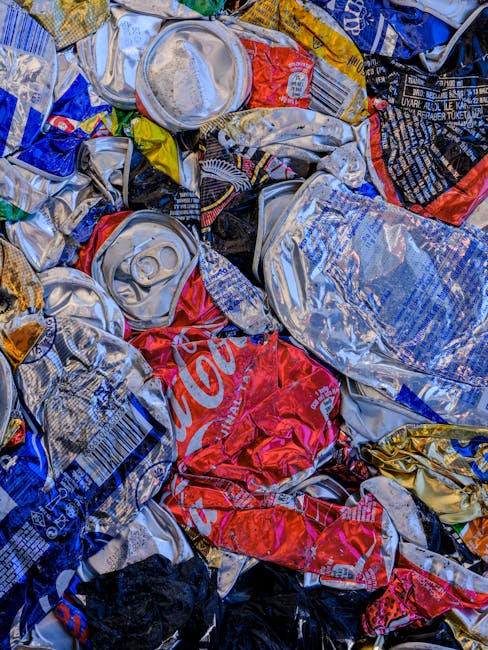
Why Eco friendly rubbish disposal Hounslow donation and reuse Matters
There is a simple reason this topic keeps coming up: not everything that looks like rubbish is actually rubbish. A sturdy table, a working microwave, a set of drawers, even half-used DIY materials can often be reused, repaired, or passed on. In a busy London area like Hounslow, where homes and businesses change hands regularly, that matters more than people think.
When items are donated or reused, you reduce the amount that needs collecting, handling, and processing as waste. That can lower the environmental impact of a clearance and often makes the whole job feel more intentional. It also cuts down on the awkward feeling many people get when perfectly decent things go straight to landfill. Let's face it, nobody enjoys watching a usable sofa disappear just because it is easier than asking where it could go next.
Reuse is especially valuable in house moves, bereavement clearances, office changes, and landlord voids. These are the moments when time pressure pushes people towards the quickest option. But quick does not have to mean careless. A clear plan can still be fast. That is the balance to aim for.
Expert summary: the most sustainable clearance is usually the one that separates reusable items first, recyclable materials second, and true waste last. It is a small shift in process, but it makes a real difference.
There is also a practical side. Fewer items going into the waste stream can mean less handling, a tidier property, and sometimes a more efficient collection. If you are comparing service options, the difference between a standard clearance and a reuse-led one may not always be dramatic in price, but it can be meaningful in outcome.
How Eco friendly rubbish disposal Hounslow donation and reuse Works
The process is straightforward in principle, although the details depend on what you are clearing. First comes a sort. Then comes a judgement call. Then, if the items are suitable, they are separated for donation, reuse, resale, repair, or recycling. Only after that does the true waste get removed.
In a typical Hounslow clearance, the workflow often looks like this:
- Walk through the property and identify what can be reused, what can be recycled, and what has to be disposed of.
- Check condition for cleanliness, working order, damage, and safety.
- Separate items into clear groups so reusable goods are not mixed with general waste.
- Choose the right route for each item: donation, reuse, recycling, or disposal.
- Remove the remaining rubbish efficiently and with proper handling.
It sounds neat on paper, and most of the time it is. But in real homes it can be a bit messier. You might find a chest of drawers that is solid but scratched, a lamp that works if you replace the plug, or a stack of office chairs where only half are worth saving. That is normal. The aim is not perfection. The aim is better decisions.
For a larger clearance, a team may assess what is usable before anything is lifted. For smaller jobs, you may do some sorting yourself in advance. Either way, the best results usually come from separating items early rather than at the last minute in a hallway. That little bit of order helps everyone.
It is also worth noting that some items are better handled through specific collection routes. For example, bulky furniture, garden waste, building debris, and office contents each behave differently. A service that covers a broader range of clearances, such as house clearance in Hounslow or office clearance, can be more useful than trying to treat everything as one generic job.
Key Benefits and Practical Advantages
Reusing and donating before disposal brings several advantages, and not all of them are environmental. Some are emotional, some are practical, and a few are just plain common sense.
- Less waste to process: reusable items are kept out of the disposal stream whenever possible.
- Better value from your clearance: if items can be diverted for reuse, the job may become more efficient.
- Reduced landfill pressure: even one sofa, table, or filing cabinet kept in use helps.
- Cleaner property handover: useful when you are moving, selling, or returning a rental.
- Good for business image: shops, landlords, and offices often prefer a more responsible clear-out.
- Less wasteful feeling: honestly, this matters more than people admit.
There is a side benefit that often gets overlooked: reuse makes decluttering easier to justify. A lot of people stall because they do not want to feel they are throwing everything away. When donation is part of the plan, the job feels less blunt. You are not just clearing space. You are making sure useful things continue to do some good.
In a local context, that matters for busy households, growing families, and small businesses alike. A shop owner replacing shelving or a family clearing a spare room may both want the same thing: less clutter, less stress, and less unnecessary waste. Fair enough.
Who This Is For and When It Makes Sense
This approach is useful for almost anyone, but it is especially worth considering if you are dealing with items that are still in usable condition. Not every job is the same, though, and sometimes the smartest move is a mixed approach rather than a pure donation plan.
Homeowners and tenants
If you are moving house, downsizing, sorting an inherited property, or simply getting control back over a packed loft or shed, donation and reuse can make a noticeable difference. It is often the most sensible route when furniture, appliances, books, or household goods are still serviceable.
Landlords and letting agents
Rental properties often need quick turnarounds. A reuse-first mindset can help with end-of-tenancy clearances, provided the items are in acceptable condition. You may also need a reliable clearance partner if you are balancing speed with tidiness. No one wants a void period dragged out by a mountain of unwanted chairs in the living room.
Businesses and offices
Office moves produce a surprising amount of reusable material: desks, chairs, filing units, IT peripherals, storage, and meeting-room items. If you are clearing an office, the question is often not whether there are items worth keeping in circulation, but how quickly they can be sorted before the rest of the move gets underway.
Shops, cafes, and local services
Smaller commercial spaces in Hounslow may have display units, packaging materials, shelving, or back-of-house furniture that can be reused elsewhere. If you are a shop owner, a clearer separation between stock waste and reusable fixtures can make the job much simpler. A related read on small business waste removal for shop owners covers some of the commercial realities around this.
Families handling a bigger clear-out
Sometimes the most useful motivation is simply reducing the emotional weight of a room. Donation and reuse can make that process feel less abrupt. You are not dumping memories. You are passing on the bits that still have life in them. That distinction matters, especially in sensitive situations.
Step-by-Step Guidance
If you want an eco friendly disposal process that actually works, do not start by dragging everything to the front door. Start with decisions. That saves time later, and it usually leads to better reuse outcomes. Here is a practical way to do it.
1. Separate reusable items first
Walk through the property and identify anything that is clean, functional, and presentable enough to donate or reuse. Good candidates usually include chairs, tables, storage units, small appliances, books, and unused household goods. Be realistic, though. A scratched item may still be reusable, but broken or unsafe items usually are not.
2. Check what needs cleaning or minor repair
Sometimes the difference between waste and reuse is very small. A dust-covered lamp, a set of kitchen items, or a box of tools might only need a quick clean. Small repairs can also extend the life of items, but only if they are safe and worth the effort. If something needs a new plug, missing parts, or heavy restoration, it may be better handled another way.
3. Group items by type
Keep furniture separate from textiles, electrical items, and general household waste. This makes the collection cleaner and reduces the chance of reusable goods being damaged. It also helps whoever is handling the clearance to move faster, which is handy when time is tight.
4. Decide what goes to donation, reuse, recycling, or disposal
Some items have a clear path. Others do not. For instance, a good dining table may be a reuse item. A broken mirror frame may be a recycling or disposal item depending on condition and material. A mixed box of cables, chargers, and old tech may need more careful sorting. Do not worry if it is not perfect. The point is to improve the outcome, not to build a museum of unwanted things.
5. Arrange collection with the right service
If the remaining waste is bulky or mixed, a professional clearance can save a lot of effort. A local service such as rubbish clearance in Hounslow or waste removal in Hounslow is often easier than trying to juggle multiple trips yourself.
6. Keep a record of what was removed
For business users, landlords, and anyone managing a property formally, keeping a basic note of what was donated, reused, recycled, or disposed of can be helpful. It does not need to be fancy. A simple list is enough. Practical, tidy, done.
Expert Tips for Better Results
Here are the things that make the biggest difference in real-life clearances. Not theory. Real-world stuff.
- Sort before the collection date if you can. Even 20 minutes the day before can save a lot of back-and-forth.
- Keep reusable items dry and accessible. A damp cardboard box of books is much less likely to be useful than a dry, tidy stack.
- Take quick photos of larger items. Useful if you are deciding what is suitable for reuse or asking for a quote.
- Be honest about condition. A cracked wardrobe is not suddenly "almost new" because you squint at it hard enough.
- Mixing waste streams is risky. Once reusable goods get buried under food waste, rubble, or liquids, their chances of a second life drop fast.
- Think in categories, not just piles. Furniture, textiles, electricals, green waste, and building debris all need different handling.
One small but useful habit: create a "maybe" pile. It sounds obvious, yet it stops you making rushed decisions when the room is already full. Come back to it after you have tackled the obvious items. Often the answer is clearer the second time round.
And yes, there is always that one box of mystery leads. Every home has one. No one knows what any of them do. Still, keep them together; they are often better dealt with as a set.
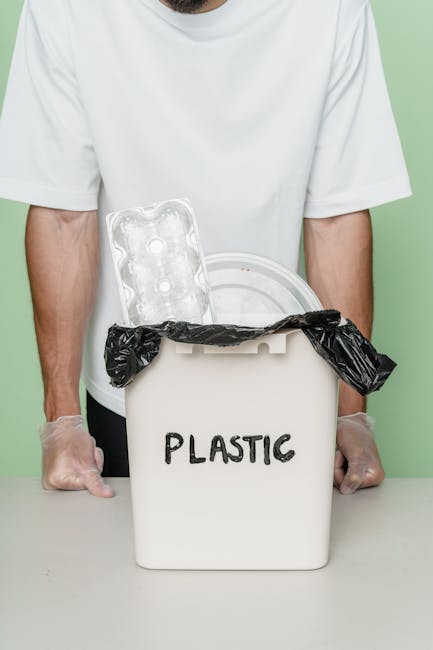
Common Mistakes to Avoid
Most poor outcomes come from rushing. That is usually the truth of it. The other big problem is assuming every item is either fully reusable or fully useless. Reality is messier.
- Leaving sorting until collection day: this creates delays and increases the chance of reusable items being treated as waste.
- Ignoring condition: a reusable item must be safe, clean enough, and fit for purpose.
- Forgetting about hidden waste: items inside cupboards, under beds, or in loft boxes are often missed.
- Mixing hazardous or awkward materials with general rubbish: certain items need special handling, even if they are small.
- Assuming all charities or reuse routes accept everything: they often have quality and safety limits.
- Not checking access issues: narrow hallways, stairs, parking, and building rules can all affect the job.
Another common one: people keep too much "just in case." That is understandable. But if you are planning a clear-out, the "just in case" boxes can multiply quietly in the corner like they pay rent. Be a bit ruthless, but not reckless.
For deeper planning around general clearance mistakes, it may also help to read common mistakes when booking rubbish collection in Hounslow. It is a useful reminder that a bit of preparation usually saves time later.
Tools, Resources and Recommendations
You do not need fancy equipment to handle a reuse-led clearance well, but a few basic tools make life easier.
| Tool or resource | Why it helps | Best used for |
|---|---|---|
| Strong boxes or crates | Keep reusable items separate and protected | Books, kitchenware, small household goods |
| Marker pens and labels | Make sorting quicker and clearer | Room-by-room organisation |
| Cleaning cloths and bin bags | Remove dust and basic dirt before donation | Presenting reusable items properly |
| Basic measuring tape | Checks whether furniture will fit through doors or into storage | Large furniture and office items |
| Phone camera | Useful for photos, records, and quote requests | Before/after tracking and assessments |
For larger projects, it can also help to review pricing expectations in advance. The page on pricing and quotes is a sensible starting point if you want to understand how a clearance is usually quoted. If you are comparing jobs carefully, the article on the real cost of house clearance in Hounslow is also worth a look.
For awkward loads, it can be useful to think about specialist categories. Garden waste, builder's rubble, old office fit-outs, and house clearances are not the same thing. A focused service such as garden waste removal Hounslow or builders waste disposal Hounslow may be a better match depending on what you actually have.
Law, Compliance, Standards, or Best Practice
For rubbish disposal in the UK, best practice matters. You should always make sure waste is handled by a responsible operator and that reusable materials are not simply treated as waste without reason. If you are a homeowner, the practical point is straightforward: use a service that handles items properly. If you are a business, landlord, or letting agent, the duty to manage waste responsibly becomes even more important.
In real terms, that means checking that items are removed safely, paperwork is clear where needed, and hazardous or restricted materials are not mixed into ordinary waste. Electrical goods, paints, chemicals, sharp materials, and heavy construction debris often need extra care. No drama, just sensible handling.
Best practice also includes transparency. If you are told an item can be donated, it should genuinely be suitable for reuse. If something is going for recycling, it should be suitable for that route. The same applies to mixed clearances. Good operators explain what can and cannot be diverted, rather than pretending everything is magically reusable.
It is also sensible to review wider company policies if you are choosing a provider for business or ethical reasons. Pages such as the modern slavery statement, privacy policy, and terms and conditions can give you a better feel for how the business operates. Not glamorous, maybe, but useful.
And if your project involves access, loading, or site safety, the page on insurance and safety is especially relevant. A careful operator should be able to explain how they manage the job without making things unnecessarily complicated.
Options, Methods, or Comparison Table
Not every clearance needs the same approach. Some people only need a few items moved on. Others need a full property emptied. The table below gives a plain-English comparison.
| Method | Best for | Pros | Limitations |
|---|---|---|---|
| Donate first, then clear the rest | Items in good condition | Maximises reuse, feels responsible | Takes more sorting time |
| Mixed reuse and waste collection | Most homes and offices | Balanced, efficient, practical | Needs clear separation |
| Full waste-only clearance | Damaged, dirty, or unsafe items | Fast and simple | Less environmentally efficient |
| DIY drop-off or self-haul | Small loads with time available | Flexible if you have transport | Time-consuming, physically demanding |
In our experience, the mixed method is the one most people actually need. A room rarely contains only "good" or only "bad" items. There is usually a bit of both. The trick is not forcing everything into one category.
If you are unsure about the right route for a particular project, a local clearance discussion often helps. A service like your rubbish removal needs can be a practical place to start when you want a solution shaped around the actual load, not just a generic checklist.
Case Study or Real-World Example
Imagine a family clearing a semi-detached house in Hounslow after a long period of accumulated storage. The loft has old lamps, a foldable table, boxes of books, baby items, a disused printer, and a few damaged pieces of furniture. Downstairs, there are kitchen items, some clothing, and an old armchair that has seen better days.
Instead of sending everything as one bulk load, they split the process. The table, some books, and a set of kitchenware are boxed for reuse. A decent lamp is set aside after a quick clean. The printer and damaged armchair are marked for disposal. The clothes are sorted into wearable and non-wearable. By the time the clearance begins, the pile for removal is smaller, cleaner, and much easier to manage.
The family notices something quite ordinary but important: the house feels lighter sooner. Not just empty. Lighter. That is the real win, especially when a property has been crowded for years. There is also less guilt, because useful things are not being thrown away without thought.
For a similar kind of clear-out, a focused house clearance can be the best option. If the property has a lot of mixed contents, you may also find the article on before and after house clearance in TW5 helpful for getting a feel for the pace and outcome of a real job.
Practical Checklist
Use this before collection day. It keeps things simple.
- Sort reusable items first and keep them separate from general waste.
- Check condition for damage, cleanliness, and safety.
- Group items by category such as furniture, electricals, textiles, and general rubbish.
- Clear access routes so items can be moved without stress.
- Label anything uncertain so it is not accidentally thrown away.
- Set aside hazardous or restricted items for special handling if needed.
- Take photos of larger items if you want clarity before removal.
- Confirm the collection plan so there are no surprises on the day.
- Keep a short list of what is being donated if records matter to you.
- Review the remaining waste one last time before pickup. You will catch the odd forgotten item here, almost every time.
If your clearance includes mixed waste and reusable goods, it can help to start from the broad service base and narrow down from there. The home pages for rubbish clearance Hounslow and waste removal Hounslow are useful references for that planning stage.
Conclusion
Eco friendly rubbish disposal Hounslow donation and reuse is not about making a clear-out complicated. It is about making better decisions before the load leaves the property. Keep what can be reused in circulation, recycle what can be processed responsibly, and only dispose of what truly has no other route. That is the cleanest way to do it, in more ways than one.
Whether you are moving, downsizing, clearing an office, or simply getting your home back in order, the reuse-first approach gives you a better outcome with less waste. It feels more thoughtful, more practical, and frankly, more in tune with how people want to live now. A bit less throwaway, a bit more sensible.
Get a free quote today and see how much you can save.
And if you are not sure where to start, start small. One shelf, one cupboard, one room. The rest usually follows.

 Tipper Van - Rubbish Clearance and Garden Rubbish Removal Prices in Hounslow, TW3
 Luton Van - Rubbish Clearance and Garden Rubbish Removal Prices in Hounslow, TW3


